
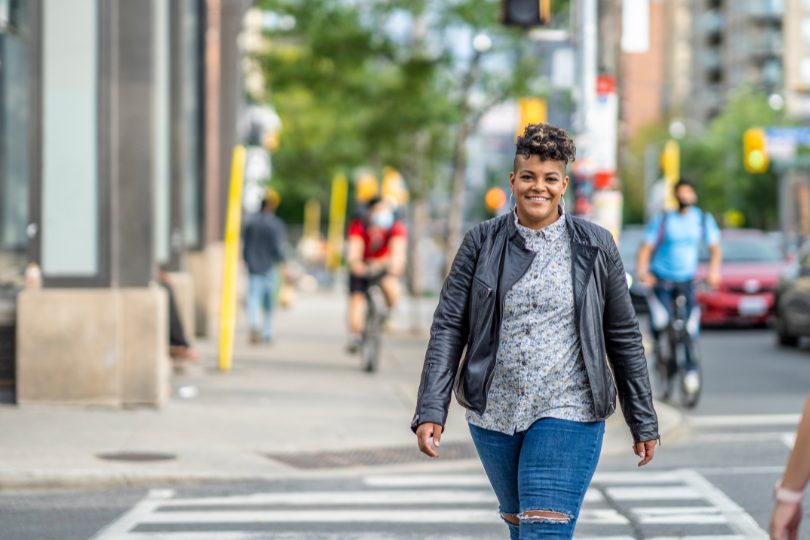
September has a way of bringing Toronto back into motion. Commutes resume, calendars fill, and everyday routines once again shape how people experience the city. At this time of year, the value of a walkable neighbourhood becomes especially clear.
Walkability may not appear on a condominium floor plan, but it can be one of a home’s most frequently used amenities. When groceries, cafés, parks, transit, services, and cultural destinations are close by, the neighbourhood becomes part of daily life. Convenience is no longer limited to what is inside the building. It extends to everything just beyond the front door.

Time for Everyday Life
In a busy city, proximity creates time. A short walk to pick up groceries, meet a friend, visit a fitness studio, or catch the subway can simplify the day in small but meaningful ways. These trips may seem ordinary, but their cumulative effect is significant. Fewer errands require advance planning, and more of the neighbourhood can be enjoyed spontaneously.
That ease is particularly valuable as work and personal schedules continue to become more flexible. A walkable location supports many versions of a Toronto day, whether that means commuting downtown, working from a nearby café, fitting in a midday appointment, or meeting friends after work without needing to plan around a car.
The Neighbourhood as an Extension of Home
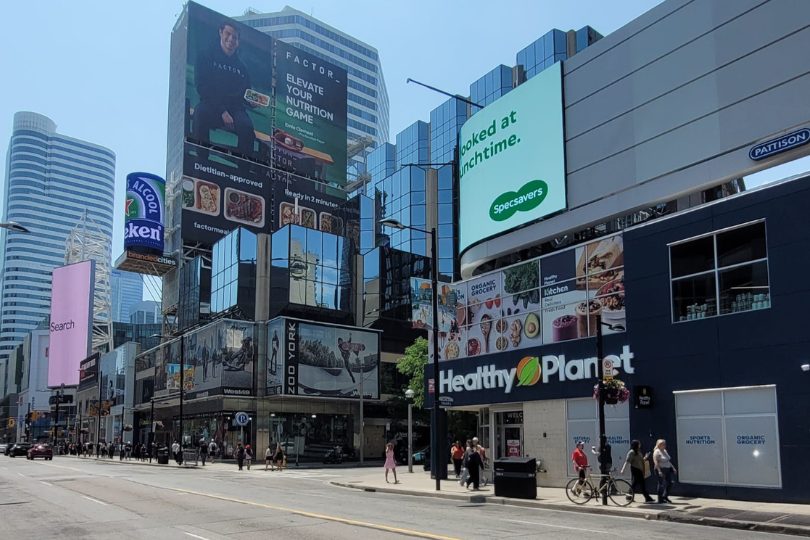
In a walkable community, the practical footprint of a home feels larger. A local park can become the backyard. A favourite coffee shop can serve as an informal meeting place. Restaurants, galleries, markets, and public spaces provide settings for connection, recreation, and discovery.
This is one reason the strongest urban neighbourhoods offer more than density. They bring together a useful and varied mix of destinations at street level, supported by comfortable sidewalks, inviting public spaces, and active streets. The result is a neighbourhood that feels engaging rather than simply convenient.
The City of Toronto’s planning approach also recognizes the role of the public realm in supporting walkable neighbourhoods, active transportation, transit use, and quality of life. When streets are designed for people as well as movement, they help define the character of a community.
Walkability and Transit Work Together
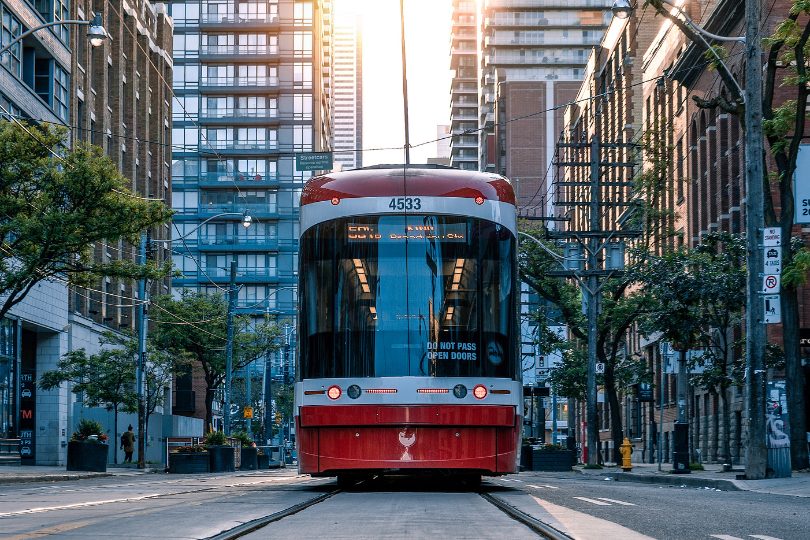
A truly connected neighbourhood makes it easy to move both within the immediate area and across the city. Walking and transit therefore function as complementary amenities. Residents can complete many daily trips on foot, then use nearby subway, streetcar, or bus routes when their destination is farther away.
This combination offers flexibility. It can reduce reliance on a car without limiting access to work, education, entertainment, or other parts of Toronto. For buyers and renters comparing locations, the question is often not simply whether transit is nearby, but whether the route to it is direct, comfortable, and integrated into everyday life.
A Quality with Lasting Appeal
Walkability also contributes to a neighbourhood’s long-term desirability. Individual shops and restaurants may change, but the underlying advantages of a connected street network, nearby transit, established services, green space, and an active public realm are difficult to replicate.
For homeowners, these qualities support a lifestyle that remains useful through changing routines and stages of life. For investors, they can broaden a property’s appeal to renters who value convenience and connectivity. Walkability does not guarantee future performance, but it’s a durable location advantage that can help a community remain relevant over time.
A Consistent BAZIS Priority
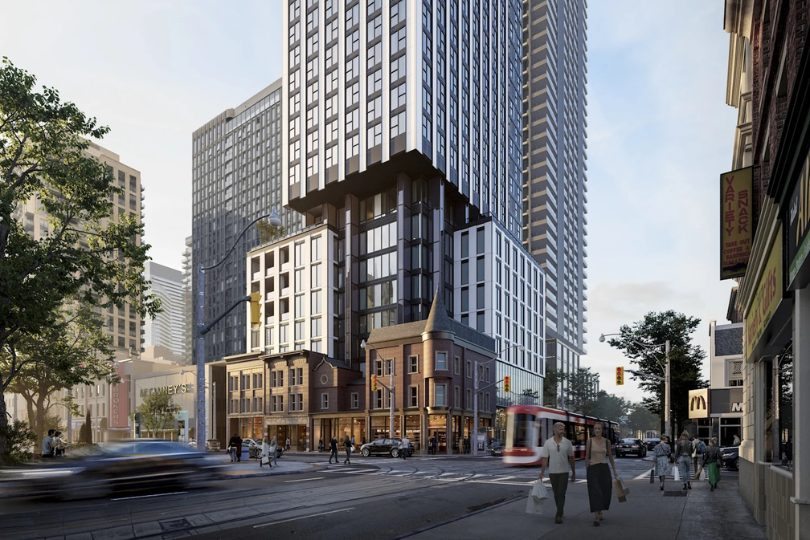
BAZIS has long selected Toronto locations where residents can connect easily with the city around them. Communities such as 1 Yorkville, Emerald Park, eCondos, Exhibit Residences, and Crystal Blu place residents close to transit, shopping, dining, services, and major destinations. Queen Church continues that approach in the heart of downtown, where the Garden District and surrounding neighbourhoods offer an especially rich mix of everyday amenities and urban experiences within walking distance.
As Toronto continues to evolve, the most valuable amenities will not all be contained within property lines. Sometimes, value is measured in the distance to a morning coffee, a favourite park, the nearest subway station, or a spontaneous evening out. In a walkable neighbourhood, the city itself becomes part of home.
What do you value most about living in a walkable Toronto neighbourhood? Connect with BAZIS on social media (Facebook, X, or Instagram) and let us know!